TV Interview!
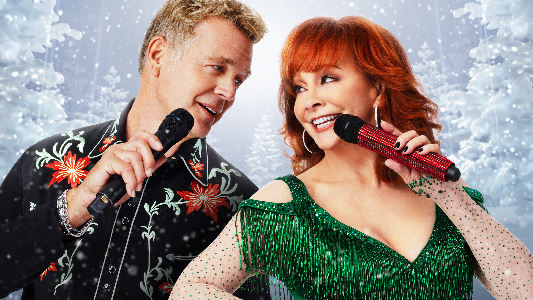
Interview with Executive Producer and star Reba McEntire, and stars John Schneider, Candice King, Justin David, and Norm Lewis of “Christmas in Tune” on Lifetime by Suzanne 11/8/21
This press panel was a lot of fun… and I like this movie, which airs 11/26 on Lifetime. It was hard to choose which person to interview, since I love the top three stars. I asked my questions of Reba and Candice, and John chimed in, so it worked out well.
MODERATOR: Hi, everyone. Thank you all for joining. Our first panel for today is Reba McEntire’s “Christmas in Tune.” Please welcome executive producer and star Reba McEntire, and stars John Schneider, Candice King, Justin David, and Norm Lewis. Thank you, guys, all so much for being here today. Our first question —
REBA MCENTIRE: Our pleasure.
MODERATOR: Our next question is from Suzanne.
QUESTION: Hi. It’s great to see you all. Reba, I was wondering if you could tell us who wrote the music, the original songs, and will there be an album from this movie?
REBA MCENTIRE: Ooh, we haven’t talked about an album for the music from this album — from the movie. I’m trying to remember the lady’s name who wrote “I Needed Christmas Too”. It’ll come to me about the time we all hang up, but my band and Doug Sisemore did all the arrangements and put the music together. We went in to Dark Horse Studios where we got to shoot part of the movie and record the songs there. So I’ll get back with you on that young lady’s name, and the other songs had been recorded before, but I think the selection of the songs were to the point and just wonderful. Oh, her name was Trannie Anderson who wrote that song “I Needed Christmas Too.” Thank you, Mark.
QUESTION: Thank you. And, Candice, you used to sing backup, I read, on the “Hannah Montana” show. Did you have any spare time where you got to sing with these folks for fun, or —
 CANDICE KING: Oh, no. Oh, no. Nope. I save these dusty pipes just for my little baby.
(Laughter.)
CANDICE KING: They’re a little rusty —
JOHN SCHNEIDER: Dusty pipes. Dusty, rusty pipes.
CANDICE KING: Yeah. No, in another life, yes, I was a singer and a backup singer for Miley Cyrus on the “Hannah Montana” tour. So it’s a great ice breaker, conversation starter but, no, luckily, I just got to listen to the legends.
QUESTION: Oh, maybe a sequel movie where Candice gets to sing…?
CANDICE KING: We’ll see.
QUESTION: Thank you, guys.
MODERATOR: Jay Bobbin, would you like to give your question?
QUESTION: Why, sure. Hello, everyone. Good to see you.
NORM LEWIS: Thank you.
QUESTION: Reba, Reba and John, both of you have, I mean, Reba, it geos without saying and, John, you are certainly well known for your singing voice, can the two of you talk about singing together? And then I’ve got a follow-up for you, Reba.
 REBA MCENTIRE: I thought it was a lot of fun. I had a blast singing with John. He’s, um —
WOMAN: John Schneider and Reba McEntire.
REBA MCENTIRE: Thank you. I had a great time working with John singing. He was fun. He knew what he was going to sing and prepared and —
WOMAN: She’s going to be in a show called Christmas, “Christmas in Tune.”
QUESTION: This is not me, by the way. This is Jay. I’m not doing the narration.
MODERATOR: Hi, everybody. If anyone that’s not speaking can please mute themselves that’d be very helpful.
REBA MCENTIRE: Okay. Now we ready?
QUESTION: Yes, Reba. You were saying? I’m sorry.
REBA MCENTIRE: Okay. Yeah. John and I had a wonderful time on the movie getting to sing together, act together, and he’s a lot of fun to sing with, and the songs we got to sing were marvelous, some of my favorite songs to get to sing.
JOHN SCHNEIDER: And what was so great about this is we got to sing in the studio, the real studio. Before we filmed, we got to hear all the music and work on the music, and then we got to come to the set and sing that music again. So we really kind of had the opportunity to do everything that in the music world we’d been doing for decades, dare I say it, and it was so wonderful to sing with Reba. I’ve never sung with Reba before, at least she didn’t know. I mean I was singing with her on the radio, but it was so wonderful to be singing with her on the same mic and on the same stage, wonderful to share a stage with you —
REBA MCENTIRE: Thanks, John.
QUESTION: Thank you, John. Reba, my follow-up for you. Christmas has become kind of a tradition for you whether you’re doing a movie, or you’re hosting “CMA Country Christmas” or whatever. Could you talk briefly about your relationship with Christmas TV, your thoughts about it?
REBA MCENTIRE: I love it. I think it’s a warm, wonderful way to express your feelings. Music goes a long way with getting everybody in the holiday mood, and it’s also given us a chance to reflect on the year that we’ve had, all the wonderful things that have happened and our many blessings, and we remember the reason for the season. So, I love to be a part of television during the Christmas holidays.
QUESTION: Thank you both very much.
REBA MCENTIRE: Thank you.
JOHN SCHNEIDER: Thank you.
MODERATOR: Thanks, Jay. Our next question is going to be from (Steven McCoy @ 00:08:06).
QUESTION: Hi, how are you, everyone?
JOHN SCHNEIDER: Hello, Steven.
QUESTION: Hi, Mr. John and Ms. Reba. I wanted to ask you, I mean, this is such a beautiful story, by the way. You have a parent who was once (in a group @ 00:08:20) in the past, and now get a chance to reunite. Now for you individually, have you guys ever gone through anything like that where you had to reunite with someone from your past and try to get into a warm spirit such as this one in the film?
REBA MCENTIRE: I have.
JOHN SCHNEIDER: I tried it once. It didn’t work out so well for me. It worked out much better in the movie.
(Laughter.)
REBA MCENTIRE: In those situations it is pretty much like acting, and you have to move along with things to make it great for the rest of the family; yes.
QUESTION: What is a good moment that happened between you guys on set? Like what is the most funnest moment that you can give us?
REBA MCENTIRE: (Inaudible @ 00:09:09).
JOHN SCHNEIDER: You know, my fun, my most memorable moment was when we were doing that scene where we were being interviewed, and we started to look at each other. Our timing became exactly the same, and I don’t think we realize it, but the crew breaking up because we were so funny together. So that was my favorite part, kind of like doing what we’re doing right now, but the Zoom thing makes it a little awkward. We’re much funnier when we’re not on a Zoom call.
(Laughter.)
QUESTION: Thank you, guys, so much.
JOHN SCHNEIDER: You’re welcome.
REBA MCENTIRE: Thank you.
JOHN SCHNEIDER: And have a wonderful, wonderful Christmas —
QUESTION: Happy Holidays.
JOHN SCHNEIDER: Thank you.
MODERATOR: Thank you. We’re going to try Jamie Ruby again.
QUESTION: Hello, can you hear me this time?
MODERATOR: Yes.
JOHN SCHNEIDER: Yes.
REBA MCENTIRE: Yes.
QUESTION: Oh, sorry about that before. Hi, guys. So you talk about what’s so much fun, can you talk about what you found the most challenging doing this film?
REBA MCENTIRE: I think the most challenging thing that all of us can speak for was trying to film a Christmas movie in the heat and humidity of Nashville, Tennessee. That was the hardest part, but we endured. We got through it, and everybody had a wonderful time.
JOHN SCHNEIDER: Yeah. The hours were not bad at all. It was hot, obviously, but you always do a Christmas movie in July, as you always do a beach movie in November and December. I didn’t have any difficulty with anything except maybe not eating all the snacks, because they were great.
QUESTION: All right. Thank you so much.
JOHN SCHNEIDER: You’re welcome. You have a great day.
QUESTION: You too.
MODERATOR: Thank you. We actually have a question here for Norm. Norm, your character is Duke who plays the musical director, and he also sort of plays the mediator between Georgia and Joe. Can you talk a little bit about your role?
NORM LEWIS: Yeah. First of all, being in this movie was exciting for me with these two OGs right here. And then working with — You know, we’ve seen Candice grow up on television, and now she’s got her own family now, you know, with a blended family. And then this amazing young man Justin, working with this great crew, it was so much fun. But to answer your question, yeah, I was happy to be a yenta. I was happy to be that person knowing that these two actually are meant to be together. I’ve actually had situations like that before, so I pulled from those experiences to try to bring that into the movie.
MODERATOR: Great. Thank you so much, Norm. Our next question is from Jamie Steinberg.
QUESTION: Hi, everyone. Thanks so much for your time this afternoon. Candice, it’s so incredible to see you have these iconic actors as your parents. Talk about working with Reba and John.
CANDICE KING: Yeah. I mean, that was one of the most exciting things when I was flying into Nashville to do this was just knowing immediately being in a room with so many talented people that I’ve admired for years. It couldn’t have been a warmer welcome. I think that, you know, the tone on set usually starts from the top, and the tone on set was happy, jolly, you know, beautiful — all the Christmas feelings you could ever imagine, and I think that is attributed to, you know, Reba and John, the joy that you each brought to work every day. So, and, honestly, I just had to try not to geek out the whole time every time they were singing live. I mean, they had to rehearse in front of us, and it was so beautiful. John was always just strumming his guitar whenever he had a guitar in the scene, and I think that it’s just imperative on sets that someone’s always in a room playing a guitar.
NORM LEWIS: Yeah.
CANDICE KING: I think that needs to be a new like rule —
JOHN SCHNEIDER: Good idea.
CANDICE KING: –because it is so soothing, and just it was a blast of an experience.
QUESTION: Justin, you and Candice have such great onscreen chemistry as well. Did you feel that instantly as well, or did you guys spend some time together to flesh out this on-screen relationship?
JUSTIN DAVID: I think right off the bat when we met each other we had a good, you know, relationship right there and just like also just getting to know each other on like a friendship level just because we’re going to be working so closely together, you know. And it was very nice. Like it flowed in the story and like, you know, work alongside everyone, because it is essentially like a family that I’m working with, you know. Like we got Reba being Belle’s mom and John being Belle’s dad. Like it was really easy. It was awesome, honestly. Yeah.
QUESTION: Thank you all so much for your time.
JOHN SCHNEIDER: Thank you, Jamie.
REBA MCENTIRE: Thank you.
NORM LEWIS: Thank you.
MODERATOR: Thank you. Our next question is from Rick Bentley.
QUESTION: John and Reba, both of you have done projects where you’ve had to sing in them, and then other projects where there was no singing involved. When you have a role where you have to sing, does that feel like I’m going to do something with an old friend, and it makes it more comfortable? Or does it add another layer of, “Oh, my gosh. I now have to not only know my lines and do the acting, but I also have to sing.”
REBA MCENTIRE: Go ahead, John.
JOHN SCHNEIDER: Well, I tell you, it was — thank you — it was, it truly was getting to work with an old friend. Reba and I met each other quite some time ago, and for me — because I’m a theater brat, I started doing theater like Norm. I started doing theater when I was very young, eight years old — so when the opportunity came about for me to do this, this is actually the biggest musical production that I’ve ever done on camera. So I very much looked forward to it. It didn’t scare me. It kind of wrapped itself around me like a warm, Christmas blanket, to be honest with you, and to be able to do it with Reba was icing on the cake, absolutely.
REBA MCENTIRE: Aww. I echo those sentiments exactly. I had a wonderful time singing with John, adding music to the story was wonderful for me, and I totally enjoyed it.
QUESTION: Thank you.
JOHN SCHNEIDER: You’re welcome.
MODERATOR: Thank you. Our next question is from Noah Wilson.
QUESTION: Hello, everyone. It is so great to be here with you guys. By the way, I must just first off say, I don’t think anyone has said this yet, you guys look phenomenal. You loo amazing. Festive. All holiday-ish. I love it. And my first question is to you, Reba. I want to ask you playing Georgia Winter in Reba McEntire’s “Christmas in Tune,” could you see similarities between yourself in Georgia as she’s also a country artist in this film?
REBA MCENTIRE: Definitely. And I think that’s what made it so much more easy for me to perform and play that part, because a lot of the decisions that Georgia made are the decisions that Reba would make.
JOHN SCHNEIDER: Uh huh.
REBA MCENTIRE: And the things that she would say Reba would say, so I definitely think there was a similarity there.
QUESTION: Now, John, we see Georgia and Joe have had some bad blood between them from years past as a singing duo, but eventually we see them rekindle their relationship in the movie through the power of music. What was one of your favorite songs to perform with Reba in this holiday movie?
 JOHN SCHNEIDER: Oh, it must have been “The Mistletoe.” Hands-down. What a beautiful song.
REBA MCENTIRE: Gorgeous.
JOHN SCHNEIDER: Got a wonderful meter to it. I can’t remember who did the orchestration and the recording of the music, but it is fantastic. And we talked earlier about it. It’s very difficult to write and perform a new, great, Christmas song, because there’s a lot of wonderful Christmas songs out there. I think that this particular song is going to withstand the test of time. I think it’s going to be a new favorite Christmas song on radio for years to come,
QUESTION: And my last question is to you, Candice. We will see your character Belle work with the U. S. Army to put on their holiday fundraiser for the Snowball Event. How important is it to think of our troops during the holiday season as they fight to serve our country —
JOHN SCHNEIDER: (Right @ 00:17:07).
QUESTION: — as they fight to serve our country every single day out of the year?
CANDICE KING: I think it’s incredibly important. I mean, I think collectively, as a world, we experience what it’s like to be separated from family and not be able to immediately see people we want to see when we were all, you know, quarantined last year. And so those that are not only sacrificing their lives, but their time away from loved ones for very long periods of time, I think it’s important to just keep them in our minds and our hearts, especially — you know, all year round — but also during the holidays.
QUESTION: Absolutely. Thank you for your time.
MODERATOR: Thank you.
CANDICE KING: Thank you.
MODERATOR: Thank you, guys. That’s all the time we have today for the “Christmas in Tune” panel. We want to say a big thank you to the entire cast for joining us today, and everybody please tune into the movie on November 26th.
JOHN SCHNEIDER: Thank you, everybody.
REBA MCENTIRE: Bye-bye.
NORM LEWIS: Merry Christmas.
JOHN SCHNEIDER: Bye-bye. Merry Christmas.
REBA MCENTIRE: Merry Christmas.
CANDICE KING: Thank you.
JOHN SCHNEIDER: Happy Thanksgiving. Don’t forget Thanksgiving.
NORM LEWIS: Oh, yeah. That.
QUESTION: And, Norm Lewis, good luck on Broadway and everything. I’ve seen you on Broadway on —
NORM LEWIS: Thank you. Thank you so much.
MORE INFO:
 Lifetime Unveils Full Slate for “It’s a Wonderful Lifetime” 2021
Lifetime Reveals Full Holiday Movie Slate for Annual IT’S A WONDERFUL LIFETIME Programming Event Beginning November 12th, Including 30 New Premieres In 30 Days Kicking Off After Thanksgiving to Count Down to Christmas
Talent Around the Tree This Year Includes Kelly Rowland, Reba McEntire, Melissa Joan Hart, Mario Lopez, Tia Mowry, Smokey Robinson, Jana Kramer, Marie Osmond, Corbin Bleu, Monique Coleman, Tatyana Ali, Roselyn Sánchez, Jacky Lai, Mýa, Ryan McPartlin, Thomas Cadrot, Bresha Webb, Candice King, Emeraude Tobia, Aimee Garcia, Haylie Duff, Ricki Lake, Kirk Franklin, John Schneider, Maria Menounos, Chad Michael Murray, AnnaLynne McCord, and Many Others
Los Angeles, CA – September 28, 2021 – Get ready for the most cheerful holiday season yet! Lifetime announces its largest holiday movie slate ever for the network’s annual It’s a Wonderful Lifetime programming event, kicking off November 12th with five new movies Fridays and Saturdays, and a premiere on Sunday, November 21st. Then, once the Thanksgiving feast is over and for the first time ever, Lifetime will premiere 30 new movies, in 30 days, with a new movie EVERY DAY from November 26 through December 25. As the #1 holiday movie destination, Lifetime’s 2021 It’s a Wonderful Lifetime slate will feature 35 new movies and over 1000 hours of holiday programming.
In case that’s not enough excitement for you – get ready for It’s a Wonderful Lifetime Holiday Movie Preview hosted by Tia Mowry (star of this year’s Miracle in Motor City)! This special will preview Lifetime’s upcoming 2021 Christmas Movies and will be available on VOD beginning October 24 and will premiere on Lifetime November 7 at 10am ET/PT. In addition to sneak peeks and cast interviews, Tia will share a special holiday treat or cocktail recipe to go with each movie previewed!
At Lifetime it’s never too early to get in the spirit! Beginning October 15, Lifetime VOD will have 10 of your favorite holiday titles available to screen. And if you just can’t get enough – starting November 12, LMC will have 50 of Lifetime’s best holiday movies available to stream!
An Ice Wine Christmas
Starring Roselyn Sánchez & Lyriq Bent
11/12 at 8pm / 7c
One of Philadelphia’s top wine sommeliers, Camila (Roselyn Sánchez) goes home to the magical vineyards of Evergreen, NY, to take part in the town’s annual Ice Wine Christmas Festival and harvest. While there, Camila spends time with her mother Sunny (Maria del Mar) and sister Beth (AnnaMaria Demara), who manages the local winery for Camila’s former ice wine mentor, Henry (Richard Fitzpatrick). But Camila discovers changes are coming as Henry plans to retire, scaling down the Christmas Festival. Beth also recently hired wine specialist Declan (Lyriq Bent) who plans to take the operation to full year production. Believing in the importance of preserving the magic of ‘Christmas in a bottle’, Camila shares with Declan her passion for Christmas and what an authentic ice wine harvest can bring.
An Ice Wine Christmas is produced by Cineflix Media in association with Wishing Floor Films. It is executive produced by Danielle von Zerneck, Jeff Vanderwal, Sherri Rufh & Charles Tremayne. Jill Carter directs from a script by Kelly Fullerton.
A Picture Perfect Holiday
Starring Tatyana Ali, Henderson Wade & Dina Meyer
11/13 at 8pm / 7c
Fashion photographer Gaby Jones (Tatyana Ali) is eager to make a name for herself and finally gets her chance when she lands a coveted job at a magazine. Encouraged by an editor (Dina Meyer) to attend the annual Christmas Photography Retreat in the small town of Pine Falls to ramp up her skills, Gaby reluctantly signs up despite not being a huge fan of the holidays. When she arrives, she learns her rental has been double booked with wildlife photographer, Sean (Henderson Wade) but soon discovers there’s more to a photo than what you see through the lens. As the two fall for each other, their life choices start to get in the way and the two must decide if they’re willing to take a risk in order to share a picture perfect holiday together.
A Picture Perfect Holiday is produced by HYBRID, LLC and includes an original song sung by Tatyana Ali.
Dancing Through the Snow
Starring AnnaLynne McCord, Colin Lawrence & Bianca Lawrence
11/19 at 8pm / 7c
Michael Foster (Colin Lawrence) is a firefighter and devoted single father to 8- year-old Lily (Bianca Lawrence), an aspiring ballerina. After a video goes viral of Michael and Lily doing an adorable ballet routine, Michael becomes the most eligible bachelor, as women everywhere want to date this adorable Dad. However, the only woman Michael has eyes for is Lily’s ballet teacher, Olivia (AnnaLynne McCord). Will Michael be able to dance his way into Olivia’s heart?
Dancing Through the Snow is produced by Champlain Media. Barbara Fisher, Tom Berry and Gilles Laplante serve as executive producers. Paul Shapiro directs from a script by Adam Rockoff.
You Make it Feel Like Christmas
Starring Mary Antonini, Michael Xavier, Stephanie Sy & Alex Poch-Goldin
11/20 at 8pm / 7c
Emma (Mary Antonini) is a talented designer who finds herself too busy to return home for the holidays after her work catches the eye of design guru Kate Marguiles (Stephanie Sy), much to her father, Tom’s (Alex Poch-Goldin) dismay. When her ex-boyfriend and childhood best friend Aaron (Michael Xavier) returns home after active military duty, he makes it his mission to get her home to celebrate their Christmas traditions.
You Make It Feel Like Christmas is produced by MarVista Entertainment. Suzanne L. Berger, Larry Grimaldi, Hannah Pillemer, Fernando Szew and Marianne C. Wunch serve as executive producers. Lisa France directs from a script by Jessica Glassberg, Michael Varrati and Guy Yosub.
Baking Spirits Bright
Starring Rekha Sharma, Dion Johnstone, Aadila Dosani, Praneet Akilla, Manoj Sood & Nimet Kanji
11/21 at 8pm / 7c
Mira Varma (Rekha Sharma) takes pride in her family’s business of making fruitcakes, despite the decline in its popularity of once being America’s most-gifted holiday confection. When Mira’s parents decide to hire Brady Phillips (Dion Johnstone) and his high-powered marketing company to boost sales for the holidays, Mira must fight to hold onto the heart of the company she loves so much.
Baking Spirits Bright is produced by BRB Pictures and Nicely Entertainment. Executive producers include Kristofer McNeeley, Chaya Ransen, Vanessa Shapiro, and Jenni Baynham. Aubrey Arnason directs from a script by Alison Spuck McNeeley and Casie Tabanou.
Reba McEntire’s Christmas in Tune
Starring Reba McEntire, John Schneider, Candice King & Justin David
11/26 at 8pm / 7c
Years after their personal and professional breakup, the singing duo of Georgia (Reba McEntire) and Joe Winter (John Schneider) agree to reunite after their daughter, Belle (Candice King), asks them to participate in a Christmas Charity concert, only to find themselves getting back in tune on stage and off.
Reba McEntire’s Christmas in Tune is produced by Hartbreak Films with Paula Hart, Reba McEntire and Melissa Joan Hart serving as executive producers. Emily Moss Wilson directs from a script by Juliet Giglio and Keith Giglio.
Merry Liddle Christmas Baby
Starring Kelly Rowland, Thomas Cadrot, Bresha Webb, Latonya Williams, Jaime M. Callica & Nathan Witte
11/27 at 8pm / 7c
This holiday, the Liddles have much to be merry about! Jacquie Liddle (Kelly Rowland) and her husband Tyler (Thomas Cadrot) are preparing for the arrival of their first baby. Meanwhile, Jacquie’s sister Treena (Latonya Williams) and her husband Julian (Jaime M. Callica) are thinking about adopting a baby themselves, and spirited, fashionista sister Kiara’s (Bresha Webb) relationship with Chris (Nathan Witte) is heating up. With Jacquie’s family expanding in ways she could never have expected, the Liddles are headed for a crazy Christmas filled with merry mayhem and lots of love and laughter.
Merry Liddle Christmas Baby is produced by Liddle Road Productions III Ltd and Charles Cooper. Kelly Rowland, Loretha Jones, Tim Weatherspoon and Denielle Jackson serve as executive producers. Allen Lewis and Bianca Versteeg serve as supervising producers. Kelly Fyffe-Marshall directs from a script by Andrea Stevens.
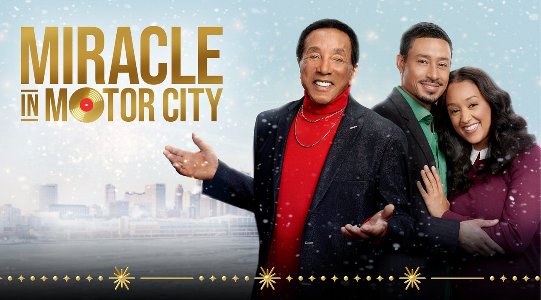
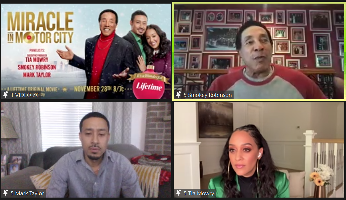
Miracle in Motor City
Starring Tia Mowry, Mark Taylor & Smokey Robinson
11/28 at 8pm / 7c
Amber Dupont (Tia Mowry) bites off more than she can chew when she takes charge of her church’s annual Christmas pageant and inadvertently promises to deliver a special performance by Motown Legend Smokey Robinson. When her best friends secretly enlist Amber’s former flame Eddie (Mark Taylor) to help – the pair reconnect in a quest to find Smokey and convince him to appear. With the clock ticking, family, friends, and superstar Smokey Robinson come together to stage the most special pageant yet.
Miracle in Motor City is produced by Cineflix Media with Tia Mowry, Charles Tremayne, and Jeff Vanderwal serving as executive producers. Gaylyn Fraiche consults on behalf of Tia Mowry. Alfons Adetuyi directs from a script by Rhonda Baraka.
Welcome to the Christmas Family Reunion
Starring Michelle Argyris, Alonzo B. Slater & Asia’h Epperson
11/29 at 8pm / 7c
Event planner Amy (Michelle Argyris) helps rising singer Tiffanie Christmas (Asia’h Epperson) plan her holiday family reunion. Along the way Amy must navigate some challenging family dynamics, especially amongst Tiffanie’s aunts as well as her own growing feelings for Tiffanie’s cousin, Calvin (Alonzo B. Slater). Will she be able to pull off an amazing Christmas family reunion? Vanessa Williams, Wendy Raquel Robinson, and Catherine Haena Kim co-star.
Welcome to the Christmas Family Reunion is produced by The Ninth House and Nicely Entertainment. Feras Khatib, Raed Odeh, Vanessa Shapiro and Melody Tsai serve as executive producers. Jake Helgren writes and directs.
Saying Yes to Christmas
Starring Erika Prevost & Romaine Waite
11/30 at 8pm / 7c
A magical Christmas wish makes a career-obsessed June (Erika Prevost) say “Yes” to every invitation while she’s home for the holidays. But when an old flame, Blake (Romaine Waite) joins her hectic schedule of Christmas activities, past feelings are reignited. June must choose between saying yes to her career and life in the city or to her heart in her hometown.
Saying Yes to Christmas is produced by Champlain Media. Laurence Braun, Barbara Fisher, Tom Berry and Suzanne Chapman serve as executive producers. Graeme Campbell directs from a script by John Dion.
Match Made in Mistletoe
Starring Natalie Lisinska & Damon Runyan
12/1 at 8pm / 7c
When talented interior designer Emily Barnes (Natalie Lisinska) is hired by a foreign embassy in DC to decorate for their annual holiday charity ball, the newly appointed ambassador Magnus Andersson’s (Damon Runyan) “minimalist” approach creates a roadblock between them. As Emily’s undeniable love for the holiday season begins to thaw his heart, an unexpected romance begins between the two.
Match Made in Mistletoe is produced by Champlain Media. Suzanne Chapman, Laurence Braun and Tom Berry serve as executive producers. Adrian Langley directs from a script by Jennifer Edwards, Jennifer Miller and Shannon Latimer. Story by Jennifer Edwards and Amy Taylor.
A Christmas Village Romance
Starring Jake Epstein, Jeni Ross & Oliver Renaud
12/2 at 8pm / 7c
When romance novelist Diana (Jeni Ross) learns that Maple Creek, a charming pioneer village, is struggling to stay afloat, she uses her notoriety to help generate interest in the town by sponsoring a Christmas gala. Diana rallies her family and friends to pitch in, but she’s challenged at every turn by the village blacksmith and town historian, Carter (Jake Epstein). Sparks fly as the two must work together to save the village in time for Christmas. But when her gorgeous cover model and secret crush, Greg (Olivier Renaud), surprises Diana the night before the big Christmas gala, she’s torn on who to choose and must take a page out of her novels to figure out her true happily ever after.
A Christmas Village Romance is produced by Neshama Entertainment and MarVista Entertainment. Marly Reed, Marianne C. Wunch and Arnie Zipursky serve as executive producers. Max McGuire directs from a script by Scotty Mullen.
A Christmas Dance Reunion
Starring Corbin Bleu & Monique Coleman
12/3 at 8pm / 7c
Successful attorney Lucy Mortimer (Monique Coleman), along with her mother Virginia (Kim Roberts) returns to the Winterleigh Resort to help celebrate the hotel’s final Christmas season. Once there, Lucy is reunited with the owner’s nephew and her childhood Christmas Dance partner, Barrett Brewster (Corbin Bleu). Though the resort has fallen on hard times and has stopped most holiday events, Lucy leads the charge in recreating the beloved Christmas traditions, including the popular Christmas Dance, to bring together new families and new hope to the resort. Now, Lucy must decide if she’s willing to take a risk on love and partner up once more with Barrett for what could be the last Christmas Dance.
A Christmas Dance Reunion is produced by Off Camera Entertainment and Brain Power Studio with Stephanie Slack, Margret H. Huddleston and Beth Stevenson as Executive Producers. Megan Henry Herzlinger and Brian Herzlinger serve as writers. Brian Herzlinger also directs.
Kirk Franklin’s A Gospel Christmas
Starring Demetria McKinney, Chaz Lamar Shepherd & Kirk Franklin
12/4 at 8pm / 7c
When Olivia (Demetria McKinney), a young assistant pastor, gets assigned to be a lead pastor at a new church a month before Christmas, she’s fearful she can’t manage the transition, including getting the choir ready to open the town’s annual Winter Jamboree. Banding together with her new congregation, Olivia discovers a new home for herself, and even finds a little Christmas romance along the way! Featuring a special appearance and songs written and arranged by Kirk Franklin.
Kirk Franklin’s A Gospel Christmas is produced by Swirl Films and Big Dreams Entertainment. Executive produced by Kirk Franklin and Tracy “Twinkie” Byrd and produced by Leslie Greif, Eric Tomosunas and Ron Robinson. Erica Sutherlin directs a script by Kourtney Richard.
My Favorite Christmas Melody
Starring Mýa & Rainbow Sun Francks
12/5 at 8pm / 7c
Once a promising singer-songwriter, Abby (Mýa) now finds herself writing uninspired jingles for commercials. As she heads home for the holidays, she’s enlisted by the local high school music teacher to help save the school arts program. In the process, Abby rediscovers her voice and regains the confidence to go after her dreams and lets the possibility of love in too. Rainbow Sun Francks also stars.
My Favorite Christmas Melody is produced by Champlain Media. Lexi Lewis, Barbara Fisher, Tom Berry and Suzanne Chapman serve as executive producers. Michael Kennedy directs from a script by Lauren Balson Carter. Story by Josh Brekhus and Lauren Balson Carter.
Secretly Santa
Starring Alicia Dea Josipovoc & Travis Nelson
12/6 at 8pm / 7c
Miranda (Alicia Dea Josipovic) and Paul (Travis Nelson) are business rivals who accidentally meet at a costumed Santa crawl and spend a romantic evening together without learning each other’s identities. As their anonymous romance continues online, their businesses merge, forcing them into an unwanted partnership. As they clash while working together on a holiday gift-giving app, their hearts must reconcile their online love when unexpected feelings develop for one another.
Secretly Santa is produced by Champlain Media. Laurence Braun, Jayde Siwy, Tom Berry and Suzanne Chapman serve as executive producers. Sharon Lewis directs from a script by John Dion.
Christmas Movie Magic
Starring Holly Deveaux & Drew Seeley
12/7 at 8pm / 7c
When entertainment writer Alli Blakeman (Holly Deveaux) is assigned a story covering the anniversary of a classic Christmas movie in the small town where it was filmed, she agrees on the condition that it could lead to a big promotion. When she meets a local theatre owner Brad (Drew Seeley), they unravel the mysterious origins of the movie’s signature song and Alli learns that movie magic isn’t always just on-screen.
Christmas Movie Magic is produced by Chesler/Perlmutter Productions. Lewis Chesler, David Perlmutter, Robert Vaughn, Julie Di Cresce, Robin Dunne, Fariba Jahanbin, Jennifer Gibson, Alan Mintz and Marek Posival serve as executive producers. Robert Vaughn directs from a script by Rickie Castaneda & Megan Hocking. Story by Caitlin English and James Blakeman.
Christmas With a Crown
Starring Marcus Rosner & Lisa Durupt
12/8 at 8pm / 7c
After Cassie (Lisa Durupt) returns to her hometown to revive her family’s traditional Christmas festival, she meets a dashing stranger, Nicolas (Marcus Rosner), who’s volunteered to help organize the event. Sparks begin to fly between them, but little does she know that he’s really a prince in disguise, longing to find the true spirit of the holidays. It will take a Christmas miracle of royal proportions for their hearts to meet as one.
Christmas with a Crown is distributed by Vision Films and produced by Northern Gateway Films. Lisa Durupt and Marcus Rosner serve as executive producers. Andrew Scholotiuk, Michell Molineux, Michael Lazarovitch and Dylan Pearce serve as producers, Dylan Pearce directs from a script by Michael Varrati.
A Fiancé for Christmas
Starring Marie Osmond, Amanda Payton & Adam Gregory
12/9 at 8pm / 7c
Perpetually single Sawyer (Amanda Payton) makes a fake wedding registry, hoping a shopping spree with a scan gun will be the ultimate retail therapy. But when the registry is discovered and the whole town throws her a surprise bridal shower, she’s too embarrassed to tell the truth. Instead, she finds a fake fiancé to help her navigate through the lies and holiday festivities. However, as real feelings develop between Sawyer and her fake fiancé, they may turn into the real deal after all. Adam Gregory and Marie Osmond also star.
A Fiancé for Christmas is produced by GO FILMS and Happy Wives, LLC. Greg Sperry, Darla Sperry and Stephen Craig serve as executive producers. Ryan Little directs from a script by Angeline Olschewski.
Holiday in Santa Fe
Starring Mario Lopez, Emeraude Toubia, Aimee Garcia & Gia Lopez
12/10 at 8pm / 7c
Casa de Milagro is a family-owned business that makes holiday ornaments and décor, inspired by Mexican Christmas traditions. Their award-winning designs, created by matriarch Milagro Ortega, are highly sought after each holiday season. Siblings Tony (Mario Lopez) and Magdalena (Aimee Garcia), with help from their dad (Efrain Figueroa), run the shop in Santa Fe, but when their beloved Milagro unexpectedly passes, the family struggles to find its heart. With Milagro gone, Belinda Sawyer (Emeraude Toubia), an executive at one of the largest greeting card and holiday décor chains, sees an opportunity to acquire the company. When sparks fly between Belinda and Tony, Belinda realizes there is more to Casa de Milagro than meets the eye.
Holiday in Santa Fe is Executive Produced by Mario Lopez, Co-Produced by Jeff Stearns and Produced by Mark Roberts. Jody Margolin Hahn directs from a script by Cristela Alonzo.
The Holiday Fix Up
Starring Jana Kramer, Ryan McPartlin & Maria Menounos
12/11 at 8pm / 7c
When Sam (Jana Kramer), the designer behind a popular home renovation show, returns to her hometown during the holidays to help renovate the Bell Harbor Inn, she gets paired with Coop (Ryan McPartlin) as her lead contractor. The only problem – he’s the guy who broke her heart and she’s the one who got away. Sparks fly as they work closely to get the renovations done in time for the inn’s annual Christmas Eve Harborfest. Will they be able to fix the mistakes of their past to build a future together? Maria Menounos also stars.
The Holiday Fix Up is produced by Off Camera Entertainment with Stephanie Slack, Margret H. Huddleston, Jana Kramer and Ryan McPartlin as Executive Producers. Written by Jessica Koosed Etting and directed by Brian Herzlinger.
People Presents: Blending Christmas
Starring Haylie Duff & Aaron O’Connell
12/12 at 8pm / 7c
The Hacienda de la Sierra is Emma’s (Haylie Duff) favorite place to spend the holiday season and her boyfriend Liam (Aaron O’Connell) has been secretly planning to propose to her there, surrounded by both their families. Emma is delighted when she arrives to find the whole family bunch there. Of course, no holiday gathering is complete without drama, and soon the families are bickering over every detail! The added stress from trying to blend the two families eventually takes a toll on Emma and Liam, who start questioning their own relationship. Now just days before Christmas, the two families realize that they’re going to have to work together in order to reunite Emma and Liam! Blending Christmas also stars Beth Broderick, Christopher Knight, Greg Evigan, Mike Lookinland, Barry Williams, Susan Olsen, Robbie Rist, Telma Hopkins and Jennifer Elise Cox.
Blending Christmas is produced by HYBRID, LLC.
Maps and Mistletoe
Starring Humberly González & Ronnie Row
12/13 at 8pm / 7c
Emilia Martin (Humberly González), a cartographer of school maps, has plans for a cozy Christmas at home until her boss has a last-minute project for her, designing a novelty treasure map of the North Pole. Emilia decides to seek out the expertise of North Pole explorer Drew Campbell (Ronnie Rowe), who reluctantly agrees to help her. As the two work closely, they discover more than either of them ever expected.
Maps and Mistletoe is produced by Christmas Explorer Productions, Inc in association with Johnson Production Group. Executive Producers are Timothy O. Johnson, Andrew C. Erin, and Dawn Wolfrom. Max McGuire directs from a script by W. Stewart.
Ghosts of Christmas Past
Starring Annie Clark & Dan Jeannotte
12/14 at 8pm / 7c
Ellie (Annie Clark), a serial “ghoster” on dating apps, is told by a fortune teller that she must resolve her past and make amends with all of those she ghosted before Christmas, or she is destined to never find true love! Over the course of one week, she takes it upon herself to track down all the men she ghosted before the stroke of midnight on Christmas Eve and discovers love in the process.
Ghosts of Christmas Past is produced by Champlain Media. Lexi Lewis, Barbara Fisher, Tom Berry and Suzanne Chapman serve as executive producers. Virginia Abramovich directs from a script by Shannon Latimer.
The Enchanted Christmas Cake
Starring Erica Durance & Robin Dunne
12/15 at 8pm / 7c
After recently losing her grandmother, Gwen (Erica Durance) is struggling to run their bakery, regain the Christmas spirit, and figure out her grandmother’s magical recipe for the town’s legendary Enchanted Christmas Cake. So, when a high-end chef comes to town to film a Christmas special, Gwen reluctantly agrees to help the producer Gavin (Robin Dunne) prepare for the shoot to help support the bakery. As sparks fly, will she discover that Gavin is the secret ingredient she was missing all along?
The Enchanted Christmas Cake is produced by Chesler/Perlmutter Productions. Lewis Chesler, David Perlmutter, Robert Vaughn, Julie Di Cresce, Robin Dunne, Erica Durance, Alan Mintz and Marek Posival serve as executive producers. Robert Vaughn directs from a script by Linda Kupecek, Robin Dunne and Robert Vaughn.
Christmas by Chance
Starring Winny Clarke & Jacob Blair
12/16 at 8pm / 7c
Chance Charleswood (Winny Clarke) owns a struggling gift shop called “By Chance Gifts.” As the Christmas shopping season approaches, Chance is hired by William Richards (Jacob Blair), a wealthy and popular entrepreneur, to help him organize the perfect proposal for his girlfriend Leyla Brooks (Celeste Desjardins). When Chance needs to get closer to Leyla to find out what she likes, they devise a plan to have her attend their Christmas party as an old friend of the family. Chance and William continue to spend more time together with the hopes of devising the perfect proposal, but Leyla does not seem to be ready for marriage and each plan seems to fall apart. As Chance and William get to know each other more they begin to bring out the best in one another and are able to find their true selves along the way.
Christmas by Chance is produced by Defiant Empire and Northern Soul Film Company. Andrew Cymek, Brigitte Kingsley and Patrick McBrearty serve as executive producers. Andrew Cymek directs and Brigitte Kingsley writes and produces. Concept by Patrick McBrearty.
Mistletoe in Montana
Starring Melissa Joan Hart, Duane Henry & Jamey Sheridan
12/17 at 8pm / 7c
Welcome to Paradise Ranch, where city slickers get to be cowboys and cowgirls. Merry (Melissa Joan Hart), who owns the ranch has been unlucky in love, but that’s about to change when a single father, Mark (Duane Henry), and his two kids book the ranch for Christmas week. Adventure is on the menu, the holiday spirit is everywhere, and love is in the air.
Mistletoe in Montana is produced by Hartbreak Films with Paula Hart and Melissa Joan Hart serving as executive producers. Kellie Martin directs from a script by Don Perez.
Toying With The Holidays
Starring Chad Michael Murray & Cindy Busby
12/18 at 8pm / 7c
Workaholic designer Danielle (Cindy Busby) returns to her hometown of Holly Pines for the holidays with her young son Paul with hopes to introduce him to some beloved holiday traditions, in particular the town’s North Pole Express train. Once home, she discovers that the North Pole Express has been sidelined. Determined to help, Danielle reconnects with her former high school classmate Kevin (Chad Michael Murray), now a hobbyist and model train enthusiast himself. Together, Danielle and Kevin attempt to pull off a Christmas miracle that would get the old North Pole Express running–and quite possibly give Danielle many reasons, one of them romantic, to consider staying in Holly Pines for good…
Toying With the Holidays is produced by HP Tracks Productions Inc., in association with All Canadian Entertainment and Brad Krevoy Television. Brad Krevoy, Amanda Phillips, Eric Jarboe, Amy Krell, Lorenzo Nardini, Jimmy Townsend, Steve N. White, Susie Belzberg Krevoy and Kathy Ceroni serve as executive producers. Chad Michael Murray serves as co-executive producer. Bradley Walsh executive produces and directs from a script by John B. Mullino and Emily Moss Wilson.
Under the Christmas Tree
Starring Elise Bauman, Tattiawna Jones & Ricki Lake
12/19 at 8pm / 7c
Marketing whiz Alma Beltran (Elise Bauman) and Christmas tree whisperer Charlie Freemont (Tattiawna Jones) cross paths when Charlie finds the perfect tree for the Maine Governor’s Holiday Celebration – right in Alma’s back yard. While they initially spar, romantic sparks soon begin to fly between the two women as the enchanting tree and some Christmas fairy dust from the town’s pâtissière extraordinaire (Ricki Lake) bring out the best in them and spark each other to take leaps of faith and fight for love and Christmas magic.
Under the Christmas Tree is produced by Neshama Entertainment in association with MarVista Entertainment and Wishing Floor Films. It is executive produced by Danielle von Zerneck, Larry Grimaldi, Hannah Pillemer, Fernando Szew, Suzanne Berger and Arnie Zipursky. Lisa Rose Snow directs from a script by Michael J. Murray.
Candy Cane Candidate
Starring Jacky Lai & Jake Epstein
12/20 at 8pm / 7c
Natural-born leader, Julia (Jacky Lai), returns to her hometown of North Falls for Christmas to drown her sorrows in eggnog, cookies, and Yuletide after her recent political campaign for city council ended in a landslide loss. It’s the perfect place for Julia’s holiday escape – until she realizes coming home means running into her old high school rival, Parker (Jake Epstein), the arrogant know-it-all who beat her in a race for senior class president. When the North Falls mayor resigns, the town holds an emergency election, and Julia and Parker find themselves once again facing off. But as Julia and Parker campaign their way through the Christmas season and plan a toy drive together, Julia begins to see a different side of Parker, and the ice between them slowly begins to thaw. As their political race comes to a head, Julia and Parker discover winning isn’t everything.
Candy Cane Candidate is produced by Neshama Entertainment in association with MarVista Entertainment. It is executive produced by Megan Ellstrom, Larry Grimaldi, Hannah Pillemer, Fernando Szew, and Arnie Zipursky. Pat Kiely directs from a script by Melissa Bustamante.
The Christmas Ball
Starring Deidre Mullins, Nick Hendrix & Caroline Langrishe
12/21 at 8pm / 7c
When lead ballerina Clare Fitzgerald (Deidre Mullins) is let go before the Christmas season’s Nutcracker, she’s beyond devastated and jumps at the opportunity to visit her Aunt Bridget (Caroline Langrishe) in England during the holidays. Once there, she meets Liam (Nick Hendrix), a local professor and historian who is helping Aunt Bridget preserve the family manor. Clare discovers that Christmas Regency balls were once held at the manor, prompting Aunt Bridget to propose they hold a ball as part of Liam’s presentation to the preservation society. As Clare and Liam work together, the two also waltz into a new romance.
The Christmas Ball is produced by Headlong Entertainment and MarVista Entertainment. Milos Djukelic, Larry Grimaldi, Hannah Pillemer, Fernando Szew and Marianne C. Wunch serve as executive producers. Amy Barrett directs from a script by Lauren Hynek and Elizabeth Martin.
It Takes a Christmas Village
Starring Brooke Nevins, Corey Sevier & Alli Chung
12/22 at 8pm / 7c
In order to make the town’s Christmas market a reality, Mayor Alex Foster (Brooke Nevin) must convince the reclusive Darcy Hawkins (Corey Sevier) to loan out his family’s historic mill, which is no easy task thanks to a long-running family feud. But as Alex slowly chips away at Darcy’s frosty exterior, their feelings grow beyond the interest of the town, leading this unlikely duo to the prospect of love.
It Takes a Christmas Village is produced by Vortex Media. Justin Rebelo and Bill Marks serve as executive producers. Corey Sevier directs from a script by Kate Pragnell.
Rebuilding a Dream Christmas
Starring Meggan Kaiser, Zane Stephens & Bryson JonSteele
12/23 at 8pm / 7c
Successful real estate broker Abbey (Meggan Kaiser) is forced back to her hometown to repair a Victorian house she inherited from her grandmother. She decides to sell the house and hires single dad, Josh (Zane Stephens), to help with the repairs. Working together brings up memories from her past and as her relationship with Josh and his eight-year-old son Noah (Bryson JonSteele) grows, Abbey finds her calling and makes a home for herself.
Rebuilding a Dream Christmas is produced by American Cinema Inspires with George Shamieh executive producing. Sandra L. Martin directs from a script by Amy Bircher, D.F.W. Buckingham and Robert Tiffe.
Hot Chocolate Holiday
Starring Aubrey Reynolds & Jonny Swenson
12/24 at 8pm / 7c
Colette (Aubrey Reynolds) runs a coffee shop that is known for her secret and famous hot chocolate. When Marcus (Jonny Swenson), a new dessert shop owner, starts to draw in Colette’s customers with his very own specialty hot chocolate that tastes exactly like the recipe from her beloved grandmother, she is determined to expose him. But as she gets to know Marcus, sparks fly between the cocoa connoisseurs
Hot Chocolate Holiday is produced by Silver Peak Productions and Candlelight Media Group. AJC Pennyworth and Elisa Jan serve as executive producers. Brian Brough directs from a script by Brittany Wiscombe.
Writing Around the Christmas Tree
Starring Krystal Joy Brown & Curtis Hamilton
12/25 at 8pm / 7c
Mikaela (Krystal Joy Brown) a successful romance novelist who has had bad luck in love, visits a quaint bed and breakfast for a Christmas writer’s retreat near a snowy lake town each year. Upon arriving, she meets dashing writer, Levi (Curtis Hamilton) who soon convinces Mikaela that she shouldn’t be writing about love, if she doesn’t allow herself to get out and actually experience it.
Writing Around the Christmas Tree is produced by The Ninth House and Nicely Entertainment. Vanessa Shapiro executive produces, and Jake Helgren writes and directs.
ABOUT LIFETIME
Celebrating 35 years of entertaining audiences, Lifetime is a premier entertainment destination for women dedicated to offering the highest quality original programming spanning award-winning movies, high-quality scripted series and breakout non-fiction series. Lifetime has an impressive legacy in public affairs, bringing attention to social issues that women care about with initiatives such as the long running Stop Breast Cancer for Life now in its 25th year, Stop Violence Against Women which relaunched in 2018, and Broader Focus, a major global initiative dedicated to supporting and hiring female directors, writers and producers, including women of color, to make its content. Lifetime Television(R), LMN(R), Lifetime Real Women(R) and Lifetime Digital(TM) are part of Lifetime Entertainment Services, LLC, a subsidiary of A+E Networks. A+E Networks is a joint venture of the Disney-ABC Television Group and Hearst Corporation.
Proofread and Edited by Brenda
Back to the Primetime Articles and Interviews Page



 SUZANNE: I just finished watching your movie this morning. I really enjoyed it.

 And that’s the great thing about the writers, for this show, is you think that the show is going to go one way, and it completely goes left, and you’re kind of in shock. Nothing in the show is predictable, like nothing. Even I remember this particular season – I’m watching the show in real time, because we don’t get to see it ahead of time, and, literally, I remember when I got to episode three or four, and I remember saying, “I cannot remember what happens. I have to go back and reread the script.” And I reread the script, and my significant other was so mad, because he was like, “Well, let me read it.” And I was like, “No, you gotta watch it.” And he’s like, “That’s not fair! You’re gonna read it, and I don’t get to read it. That’s just not fair.” And I was like, “I don’t care.” And I went back and read the whole entire last season of episodes.


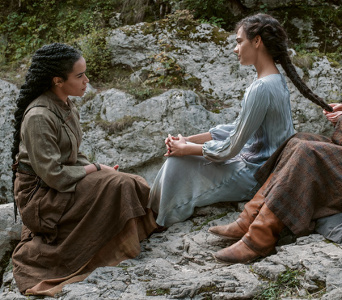 Madeleine: Yeah, absolutely. I think there’s something that you said there, which was, just completely immersing ourselves. I think it is an art form of trying to get in that character’s headspace and just completely staying there in the scene, which can be difficult, but when you have a group of actors that you trust, writers, directors that you can trust, to care for you and your craft, you feel safe enough to kind of push those boundaries, whether that’s physically or emotionally. But it’s been amazing to lose ourselves with these characters and just what they go through.
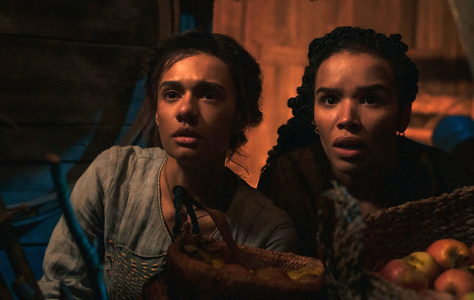

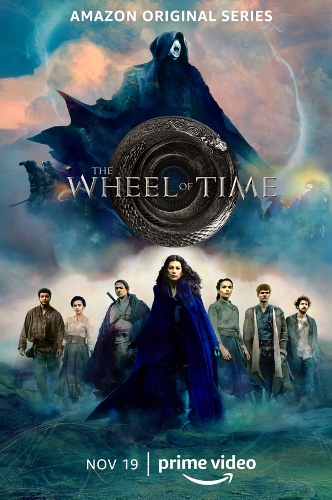 The Wheel of Time is one of the most popular and enduring fantasy series of all time, with more than 90 million books sold. Set in a sprawling, epic world where magic exists and only certain women are allowed to access it, the story follows Moiraine (Rosamund Pike), a member of the incredibly powerful all-female organization called the Aes Sedai, as she arrives in the small town of Two Rivers. There, she embarks on a dangerous, world-spanning journey with five young men and women, one of whom is prophesied to be the Dragon Reborn, who will either save or destroy humanity.



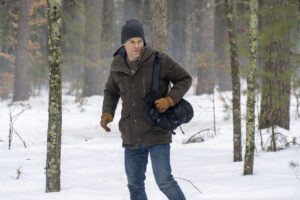

 The next question asked why they brought back Harrison and if that has anything to do with the subtitle “New Blood.” Phillips replied that the theme of the show is “fathers and sons.” He acknowledge that Harrison thought Dexter was dead, so now he has a lot of resentment when he’s found out that he’s alive. “And Dexter has a lot of work to do to win his son back and prove that he’s a good father. And we think we get there.”
 Phillips pointed out that Jamie Chung plays a “true—crime murder podcaster who is “introduced in the third episode”” and plays a major role with Julia’s character (Angela) … working her way through all of these crimes that have been committed. So, we are paying attention to it.” He and Hall have discussed this very thing, that the audience has changed, and that there are many young people that will watch now (that were too young to watch before). He also mentioned that the way they deal with murder in European TV as well here has changed. “And we — the audience has changed. And we want to acknowledge all of that in what we’re doing.”
 Carpenter answered, ” I sort of, of course, love the concept of the dark passenger. And I feel like, you know, being uninvited inside Dexter’s psyche, I feel like sometimes the dark passenger is the passenger directly behind the wheel, and it was an opportunity not to be an angel or a devil on his shoulder, but to jerk the wheel to the right and the left against Dexter’s will. And to manipulate him, to navigate him, to abuse him, to save him. I feel like it was — it was something entirely different than some sort of ghost entity.”


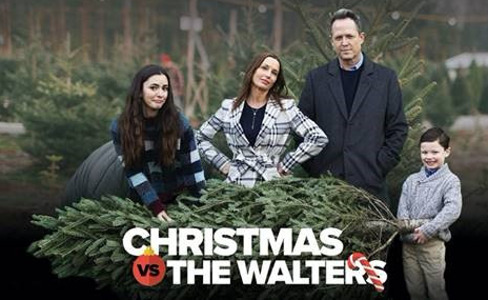
 Diane Walters, an over-burdened mother of two with a third child on the way, strives to create the perfect Christmas while her loving but dysfunctional family falls apart around her.
 Dean Winters is an American character actor. He is known for his role as Ryan O’Reily on the HBO prison drama Oz and had roles in TV series Rescue Me, 30 Rock, Sex and the City and Law & Order: Special Victims Unit, as well as portraying “Mayhem” in a series of Allstate Insurance commercials. He co-starred in one season of the CBS Network cop drama series Battle Creek and had a recurring role as the Vulture on the comedy series Brooklyn Nine-Nine.


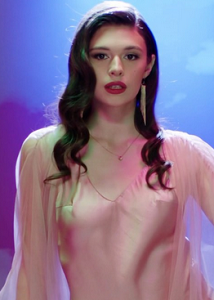
 Nicole: It felt like I was there forever. I mean, I really, really loved and I do love that character and to be her, and that was my first sort of initial thought when they gave me the call and told us we didn’t get picked up for seven. I was like, “I’m not done. I have more to do with her.”
 Nicole: I really miss them, and I miss having the Superfriends together.
 Suzanne: And this is your first ongoing TV series, right? Your character has the romance with Brainy. Was that your first onscreen romance as well?


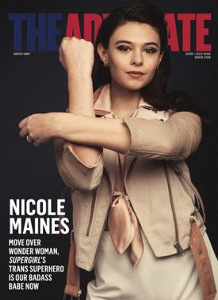 the school bathroom designated for the gender with which they identify. She is an inspiration on-and-off screen paving the way for the next generation of LGBTQ+ youth and being a beacon of light for all.



 Christian Stolte

 Eve is a GRAMMY®, Daytime Emmy®, BET and MTV Video Music Award winning artist. Previously, she served as the host of CBS’ “The Talk” and appeared in the Netflix show “Feel Good.”
 Born to a musical family, Brandy, the Mississippi-born daughter of Willie and Sonja Norwood, became one of the most successful multimedia stars of the ’90s thanks to her constant presence on both the pop and R&B charts, her popular hit sitcom “Moesha” and the classic made-for-TV movie phenomenon “Cinderella” (starring Whitney Houston), which attracted more than 60 million viewers and broke new ground with its multicultural cast.
 Singer, songwriter and actress Naturi Naughton is known most recently for her globally recognized role as Tasha St. Patrick in the six seasons of Starz Network’s No. 1 hit series “Power,” created by powerhouse producer/writer Courtney Kemp and executive produced by 50 Cent. Having wrapped the sixth and final season of “Power,” Naughton’s character has been extended into the “Power” franchise spinoff, “Power Book II: Ghost,” which debuted on Sept. 6, 2020, and has already been renewed for a second season in which she will continue her role as Tasha St. Patrick. Naughton is the two-time recipient of the 2017 and 2018 NAACP Image Award for Outstanding Supporting Actress in a Drama Series for her work on “Power.”
 by Whitney Houston as a child and knew by the age of 5 that she wanted to be a singer and an actress. In 2021, Naughton will begin releasing fresh music as a solo artist and is excited to dive back into the craft that launched her ever-blossoming career.
 Born in Monrovia, Liberia, Taylor Sele immigrated to Queens, New York, at an early age and has always been drawn to performance and entertainment. First finding a love of sport, his athleticism landed him a football scholarship at Boston College followed by the opportunity to play professionally in the NFL.
 Pepi Sonuga is one to watch on both the big and small screen. Sonuga also stars in the Hulu limited series “Pam & Tommy” opposite Lily James, Sebastian Stan and Seth Rogen.


 Don’t Sweat the Small Stuff: The Kristine Carlson Story

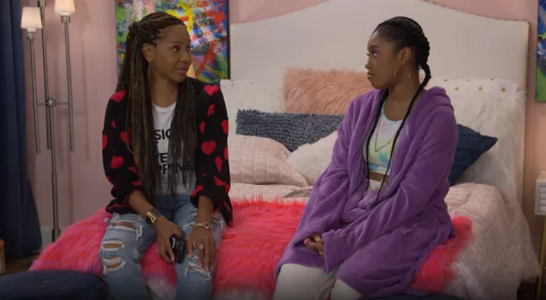 I asked MC Lyte about working with Precious Way, who was on “
 The panel was asked what they specifically bring to TV, as black women, that hasn’t been seen before. Love insisted that “Lace” creators Michelle Ebony Hardy and Katrina Y. Nelson talk about their shows first.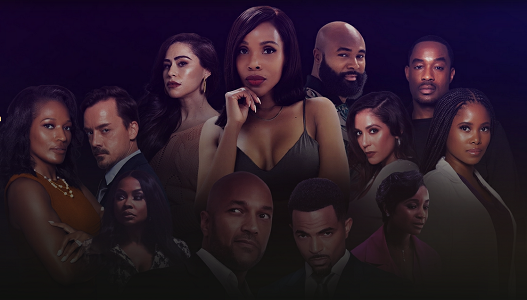
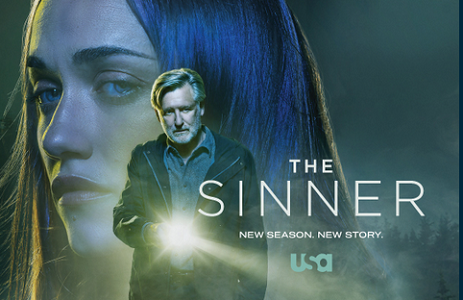

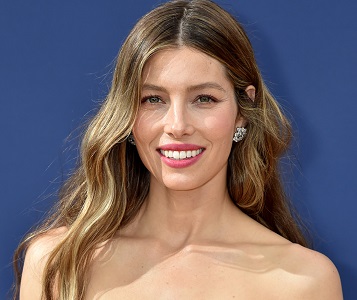 Jessica Biel
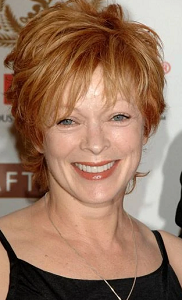 Frances Fisher
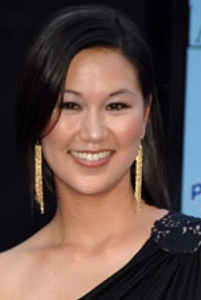 Cindy Cheung
 he Sinner”
 Derek Simonds

 Ryan Wilder in “Batwoman”
 Lawrence College.
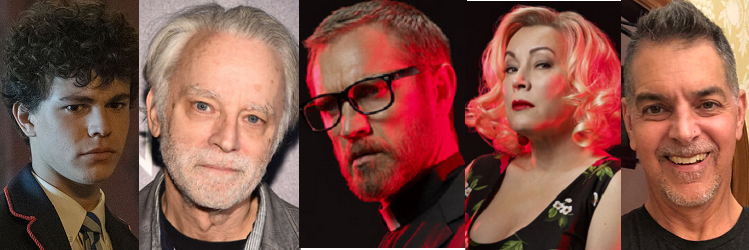
 Zackary Arthur